
A recent New Jersey Appellate Division decision shows how an ordinary home improvement can become a costly zoning dispute. The case also offers practical lessons for executors, trustees, beneficiaries, and families dealing with real estate as part of an estate.
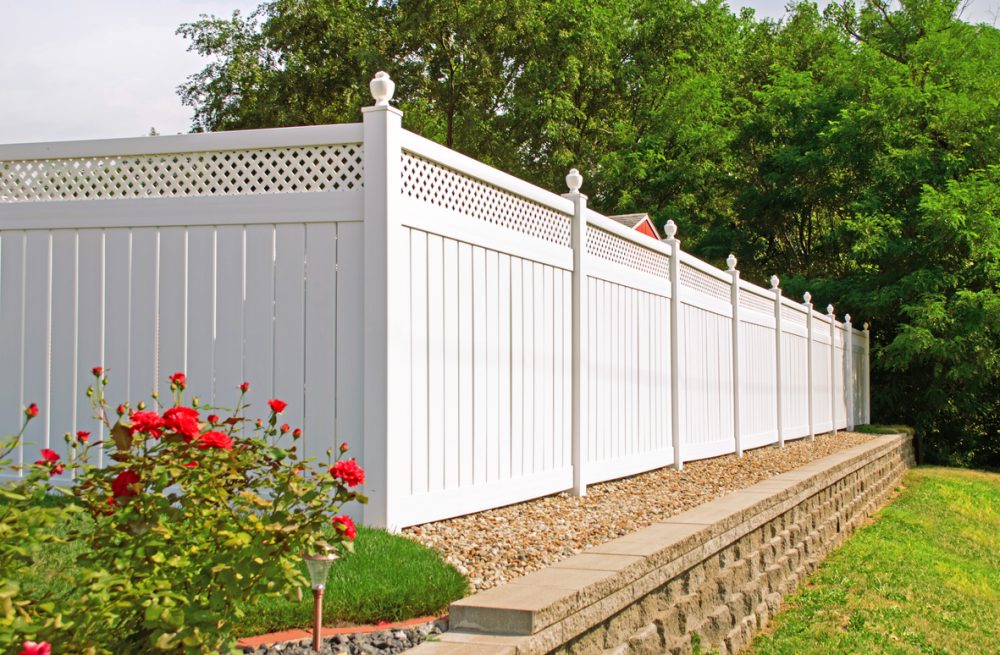
In Henry v. Planning Board of the Borough of Manasquan, homeowners sought permission to install a six-foot solid vinyl fence on top of a three-foot retaining wall. Although the fence itself would have been six feet tall, Manasquan treated the wall and fence together as a nine-foot structure. The local ordinance generally limited fences and walls to six feet above the property’s “existing grade.”
The Planning Board denied the requested variance. The homeowners challenged that decision in court, but both the trial court and the Appellate Division upheld the Board’s determination. The appellate opinion is unpublished, meaning it binds the parties but does not serve as binding precedent for other cases. Even so, the dispute provides useful guidance for New Jersey residents confronting land-use questions involving homes, inherited properties, and estate assets.
How the Dispute Developed
The homeowners owned a residential property in Manasquan, while a limited liability company owned by them held the vacant lot next door. A tidal waterway ran behind the properties. As part of several backyard improvements—including a pool, garage, patio, and retaining walls—the homeowners added approximately three feet of fill to comply with environmental and flood-elevation requirements. They then placed a three-foot chain-link fence on top of a retaining wall.
Later, the homeowners wanted to replace the chain-link fence with a six-foot solid vinyl fence. They explained that the taller fence would help protect their children and contain their dogs. Because the proposed fence would sit on the three-foot retaining wall, however, its total height measured from the lower grade would be nine feet.
That measurement became the central issue: What did “existing grade” mean?
The homeowners argued that the phrase referred to the land’s current elevation after the fill had been added. The Board interpreted it as the grade before the land was altered and before the retaining wall was constructed.
The courts accepted the Board’s interpretation. The record indicated that the ordinance was intended to prevent excessively tall fences from restricting neighboring properties’ air, light, and open space. The court also concluded that a retaining wall could be treated as a type of wall under the ordinance.
Why the Variance Was Denied
Under New Jersey law, a property owner seeking relief from a dimensional zoning requirement generally must establish either hardship arising from exceptional property conditions or that the benefits of allowing the deviation substantially outweigh its detriments. The owner also must show that the variance will not substantially harm the public good or undermine the zoning plan.
The Board found that the homeowners had not adequately explained why a standard six-foot fence would be insufficient for their safety and pet-containment concerns. It also found that the proposed nine-foot structure would restrict airflow and light to a neighboring property.
Another important point was that the homeowners had created the elevation change by adding fill. Although the fill served their project and regulatory needs, the Board concluded that this “self-created” condition could not support a hardship variance. The Appellate Division found no basis to overturn that determination.
What This Means for New Jersey Estates
Real estate can be one of an estate’s most significant assets—and one of its most complicated. A home may have additions, fences, retaining walls, sheds, pools, or grading changes completed years earlier. Questions about permits and zoning can surface when an executor prepares the property for sale, beneficiaries disagree about improvements, or a family decides to renovate an inherited home.
This case highlights several practical steps:
(1) Check the municipal ordinance before starting work. Everyday words such as “grade,” “wall,” and “fence” may have technical or locally specific meanings.
(2) Consider the entire structure. A fence that complies when measured by itself may exceed the limit when placed on a retaining wall or elevated land.
(3) Preserve property records. Surveys, permits, engineering plans, approvals, photographs, and contractor documents may help establish when and how changes were made.
(4) Do not assume a variance will follow from a personal need. Safety and privacy concerns are understandable, but a board may also consider effects on neighbors and the municipality’s zoning plan.
(5) Investigate before selling or improving estate property. Identifying zoning concerns early can help avoid delays, unexpected expenses, and disagreements among beneficiaries.
The larger lesson is straightforward: compliance with environmental or construction requirements does not automatically resolve a separate zoning issue. For New Jersey families and fiduciaries handling estate property, careful review before making improvements—or placing the property on the market—can prevent a seemingly simple project from becoming extended litigation.


