
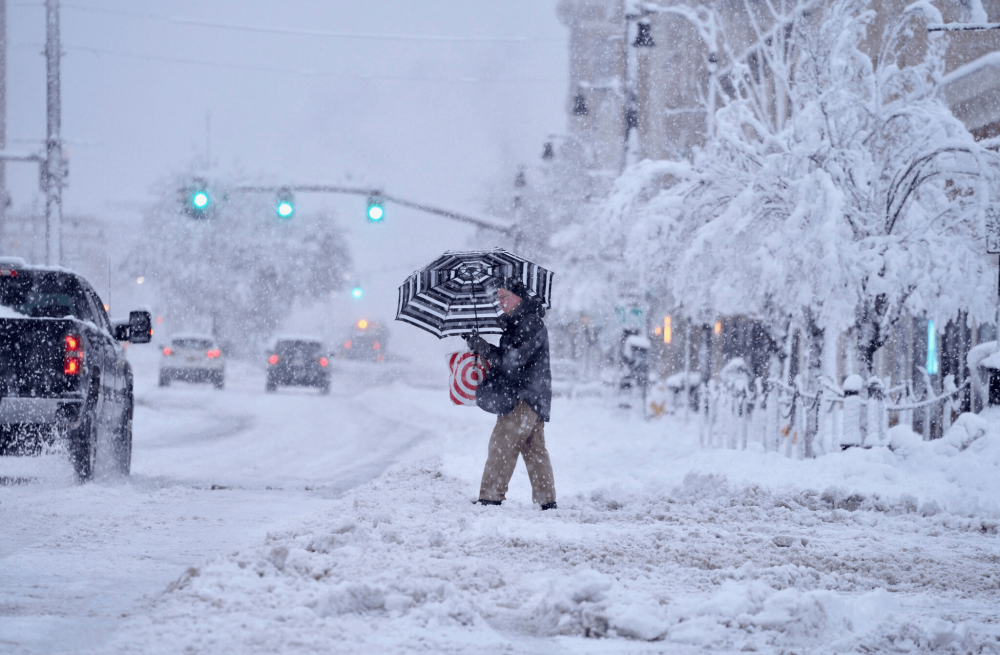
The ongoing storm rule is there to help people who have a personal injury or accident during a blizzard or snow storm. Personal injury claims, including slip and falls and injuries stemming from snow or ice, are complex issues that must be handled with precision. They require evidence and unwavering belief that an injury has occurred, and that another is at fault for that injury. These claims may happen after injuries at work or on others’ property. Unsafe weather conditions, such as snow and ice storms, often increase the risk of injury. This is why property owners, renters, and property management companies should ensure their land is cleared and as safe as possible, particularly during the winter months. When this isn’t done, it can lead to injury and a personal injury complaint. The issue of responsibility can be complicated, however, with the question of whether or not it is reasonable to expect a landowner, or a company for which they have contracted, to remove snow and ice, and within what specific period of time. For example, when the storm is ongoing, as opposed to then it stop. This very issue was brought up in a recent New Jersey Case Appellate Division decision in Sarro v. Vonage Holdings Corp.
What is a Personal Injury Claim?
Before we dive into the case, it is important to clarify what a personal injury claim truly is. A personal injury complaint is a lawsuit that is brought when an individual has been injured–whether that be regarding their physical body or possibly emotional stress. In this suit, someone is blaming an individual, business, property owner, or company for their injury and is generally seeking financial compensation. This suit involves liability, or the fault of the individual/company at cause for the injury, and damages relating to the extent of the injury and related medical expenses. These are often supported by one of three arguments: negligence, strict liability, or intentional wrongs. Personal injury claims are decided depending on the evidence and circumstances provided and a decision by a jury, if the matter goes to trial. Alternatively, both parties may choose to settle prior to trial, and this often occurs.
What is the Ongoing Storm Rule?
The ongoing storm rule originated from Pareja v. Princeton. Pareja was injured while walking during a snowstorm, resulting in a broken hip. From this case, New Jersey adopted the “Ongoing Storm Rule”, which provides that commercial landowners are not required to remove snow and ice on their property until the storm has ended. There are two exceptions to using this rule as a defense for personal injury claims. These defenses are 1) if the landowner does something to increase the risk of injury, and 2) if the danger that led to the fall pre-existed the storm.
The Case: Sarro v. Vonage Holdings Corp
On March 13th, 2018, Lisa Sarro walked through the snowy parking lot of her job. She slipped and fell, and claims that she was able to feel ice under the snow she fell on. Vonage Holdings Corp, the owner of the parking lot, had hired ABM to provide property management. ABM then subcontracted Arctic to clear snow on the property when it accumulated over two inches.
Arctic salted the property the night before the storm to prepare. They again salted the area the next morning and plowed snow at 7:00 am. Despite these precautions, Sarro slipped and fell later that morning. The Court acknowledged both exceptions to the rule as explained above but explained that neither applied to this case. This is because nothing in the report supported a conclusion that unusual circumstances occurred, and because there was no failure to remove or reduce risk due to a previous snowstorm. Sarro and her husband appealed this decision, but the appellate division held that the court made the correct decision in applying the ongoing storm rule.
The most important thing is always to be cautious during a snow storm. However, if you are unfortunate enough to slip on ice, snow, or end up in a car accident due to black ice or a landlord or property owner’s failure to remove snow, you should notify the property owner and be sure to document the incident, with video or audio. You will not know right away whether the exceptions apply or who is responsible for the care of the property, but the extent of your damages and the time of your accident need to be preserved and documented, in case you do have a claim.
If you have any more questions about personal injury claims, slip and falls, or the ongoing storm rule, please contact Ward, Shindle, and Hall.


